
Clean indoor air depends greatly on filter care, and many people wonder how often they should replace air purifier filters in Singapore to keep breathing spaces comfortable and steady. Filters work like careful guards that trap dust, smoke and small particles, yet they slowly fill and lose strength as time moves forward. When a filter stays in place for too long, airflow weakens, and the purifier struggles to perform well, which means the air no longer feels fresh or balanced. Understanding the right timing for replacement helps families maintain steady air flow and supports better daily comfort without confusion or stress.
When to Replace Air Purifier Filters Based on Filter Type
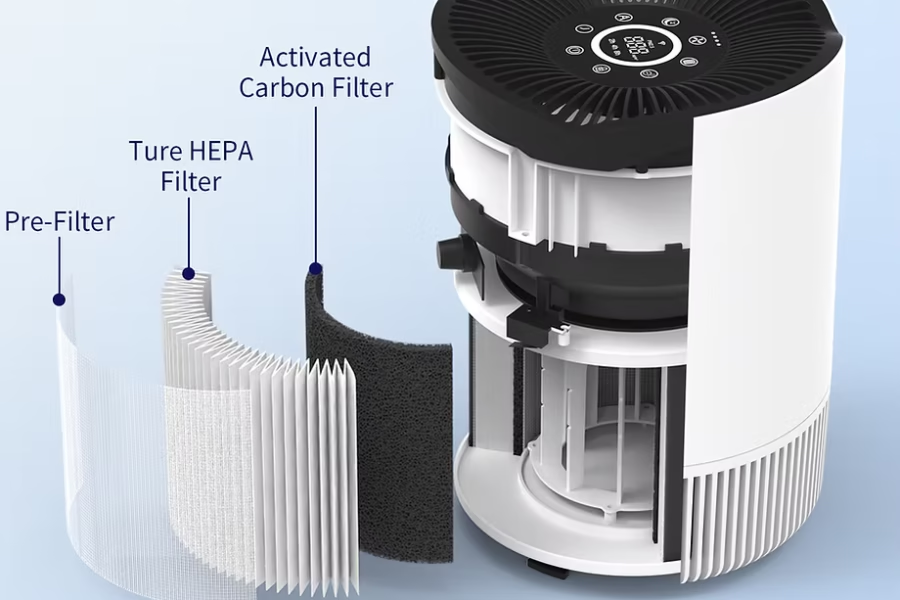
Knowing when to replace air purifier filters becomes easier once you understand the different filter layers and how each one behaves during daily use. Most air purifiers rely on more than one filter, and each layer handles particles in its own way while wearing out at a unique pace.
- Pre-filters are usually located at the front and capture large dust and hair before they reach deeper layers. These filters collect debris quickly and often need cleaning or replacement more often than others. Many people check pre-filters every month and change them once they look heavy with trapped matter, since clogged pre-filters block airflow and force the purifier to work harder.
- HEPA filters handle very small particles and provide the main cleaning action inside the purifier. These filters do not clog as fast as pre-filters, yet they slowly fill over time and lose their ability to trap fine matter. Many HEPA filters last several months, but constant use or dusty rooms can shorten this span, so checking them regularly supports better timing decisions.
- Activated carbon filters absorb odours and gases through their porous surface. These filters do not show visible dirt easily, which makes timing tricky, yet smells returning indoors often signal that the carbon has reached its limit. Regular inspection and attention to indoor smells help users decide when a change becomes necessary.
|
|
|
|
|
|
|
|
|
|
Signs That Tell You to Replace Air Purifier Filters Without Delay
Clear signs often appear when it becomes time to replace air purifier filters, and noticing these signals early prevents reduced performance. One common sign involves weaker airflow from the purifier vents, since clogged filters restrict movement and strain the motor. When airflow feels light even at higher settings, filters likely need attention.
Another sign shows up through unusual noises, as the purifier may sound louder or strained while trying to pull air through blocked layers. This sound change often points toward filters that have grown heavy with trapped particles. Changes in indoor comfort also show signs, since air may feel stuffy or less pleasant when filters lose strength. Some purifiers include indicator lights that alert users when replacement time arrives, and following these signals keeps maintenance simple and organised.
Signs that often indicate replacement time include
- Reduced airflow from vents
- Louder operating sounds
- Noticeable return of odours
- Indicator alerts on the device
Factors That Influence Filter Replacement Frequency
Several factors shape how quickly filters wear out, and understanding these elements helps users plan wisely. Room size plays a strong role, since larger spaces push purifiers to process more air, which fills filters faster. Daily usage hours also matter, because a purifier running all day gathers particles quicker than one used only at night.
Indoor activities influence filter life as well, since cooking, dust movement or pet presence adds more particles into the airstream. Seasonal changes can also affect indoor particle levels, though careful monitoring remains more useful than strict calendars. By paying attention to these factors, users adjust replacement schedules without guesswork.
Benefits of Timely Filter Replacement
- Replacing filters on time supports steady purifier performance and protects the device from unnecessary strain.
- Fresh filters allow air to move freely, which helps the purifier clean efficiently without overworking its motor. This smooth operation often extends the purifier’s lifespan and reduces the chance of sudden breakdowns.
- Timely replacement also supports consistent indoor comfort, since clean filters maintain balanced airflow and stable cleaning strength.
Families often notice better breathing comfort when filters remain fresh, and this steady care builds trust in the purifier’s performance over time.
How to Track and Manage Filter Replacement
Keeping track of filter age becomes simple with a few organised habits. Many users mark the installation date on a calendar or note it in a phone reminder, which creates a clear reference point. Some purifiers offer built-in reminders, yet personal tracking still helps confirm accuracy.
Visual inspection adds another helpful layer, since checking filters monthly reveals dirt buildup and colour changes. This habit supports timely action and avoids surprises. By combining reminders with inspections, users manage replacements smoothly and confidently.
Common Misunderstandings About Filter Lifespan
Some people believe filters last as long as the purifier runs, yet filters serve as consumable parts that wear down with use. Others assume washing filters restores full strength, though many filters lose structure and efficiency after washing. Understanding that filters need proper replacement rather than endless cleaning helps users avoid reduced performance.
Why Regular Replacement Supports Long-Term Use
Regular filter replacement supports the purifier’s steady function and keeps airflow smooth throughout its life. Clean filters reduce motor strain and help internal parts operate under normal conditions. This care routine often results in fewer repairs and more reliable performance across years of use.
When users stay consistent with replacement schedules, the purifier responds with dependable cleaning action and quieter operation. This balance creates a comfortable indoor space that feels maintained rather than neglected.
Conclusion
Knowing how often to replace air purifier filters depends on attention rather than strict rules, since usage patterns and indoor conditions vary. By monitoring airflow sounds and comfort changes, users gain confidence in their timing choices. Regular inspection combined with reminders builds a simple routine that supports purifier performance without effort.
Replacing filters on time keeps air movement strong and devices working as intended, which allows families to enjoy cleaner indoor spaces with calm assurance. Through awareness and steady care, filter replacement becomes an easy habit rather than a confusing task.