
Breathe cleaner, fresher air every day with the Happie Aire Marshmallow Air Purifier — designed for homes with kids, pets, and even newly renovated spaces. Compact in size yet powerful in coverage, it captures up to 99.995% of airborne particles as small as 0.3 microns.
Our Products
Aire Marshmallow
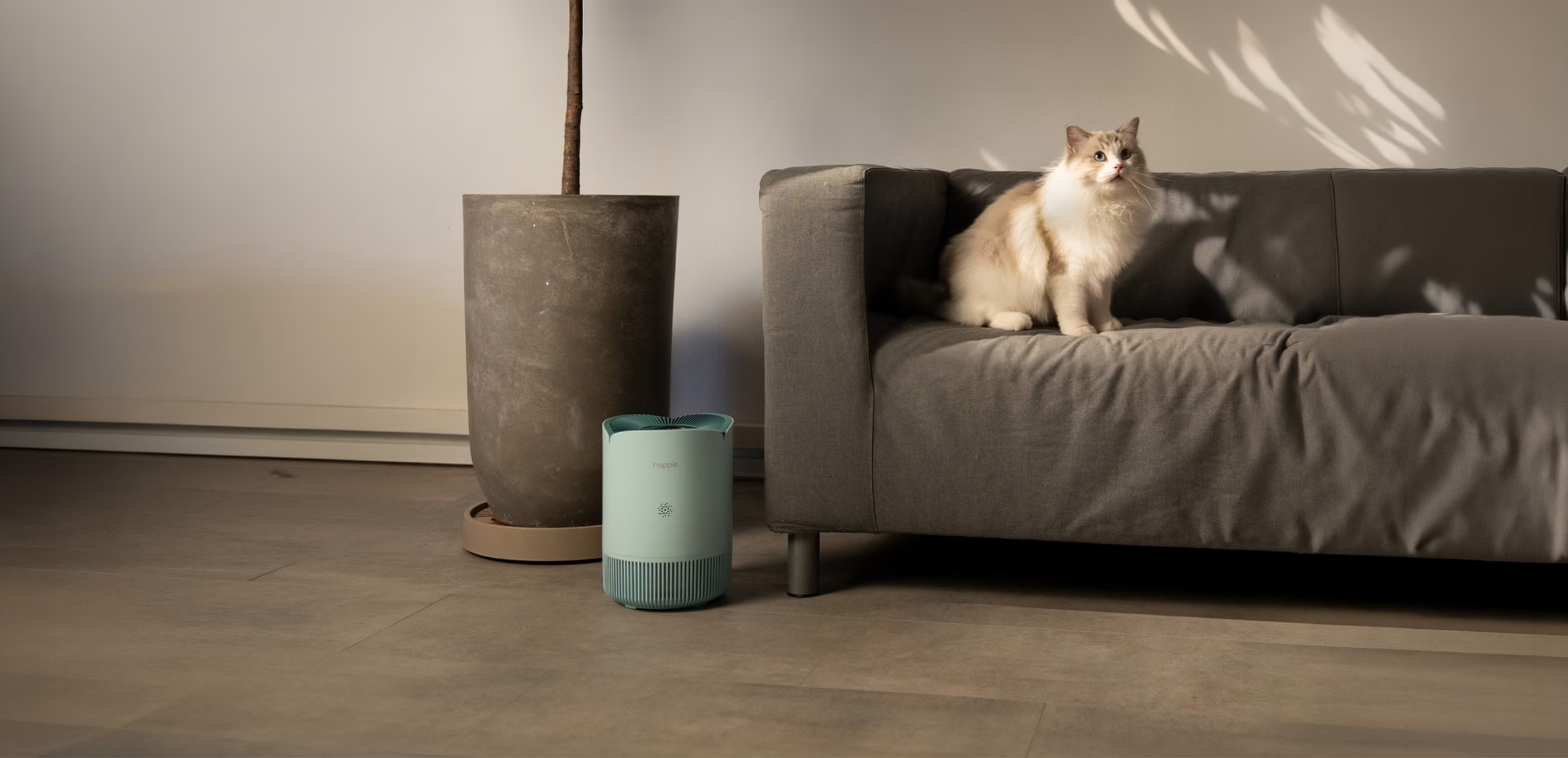
Aire Marshmallow Air Purifier – Compact and efficient, keeping bedrooms and personal spaces fresh and comfortable.
About
Overview of Features
- HEPA 14 Highest-Grade Filter
- Touch Screen Control
- Mobile App Control
- Sleep Mode
- Easy Filter Replacement
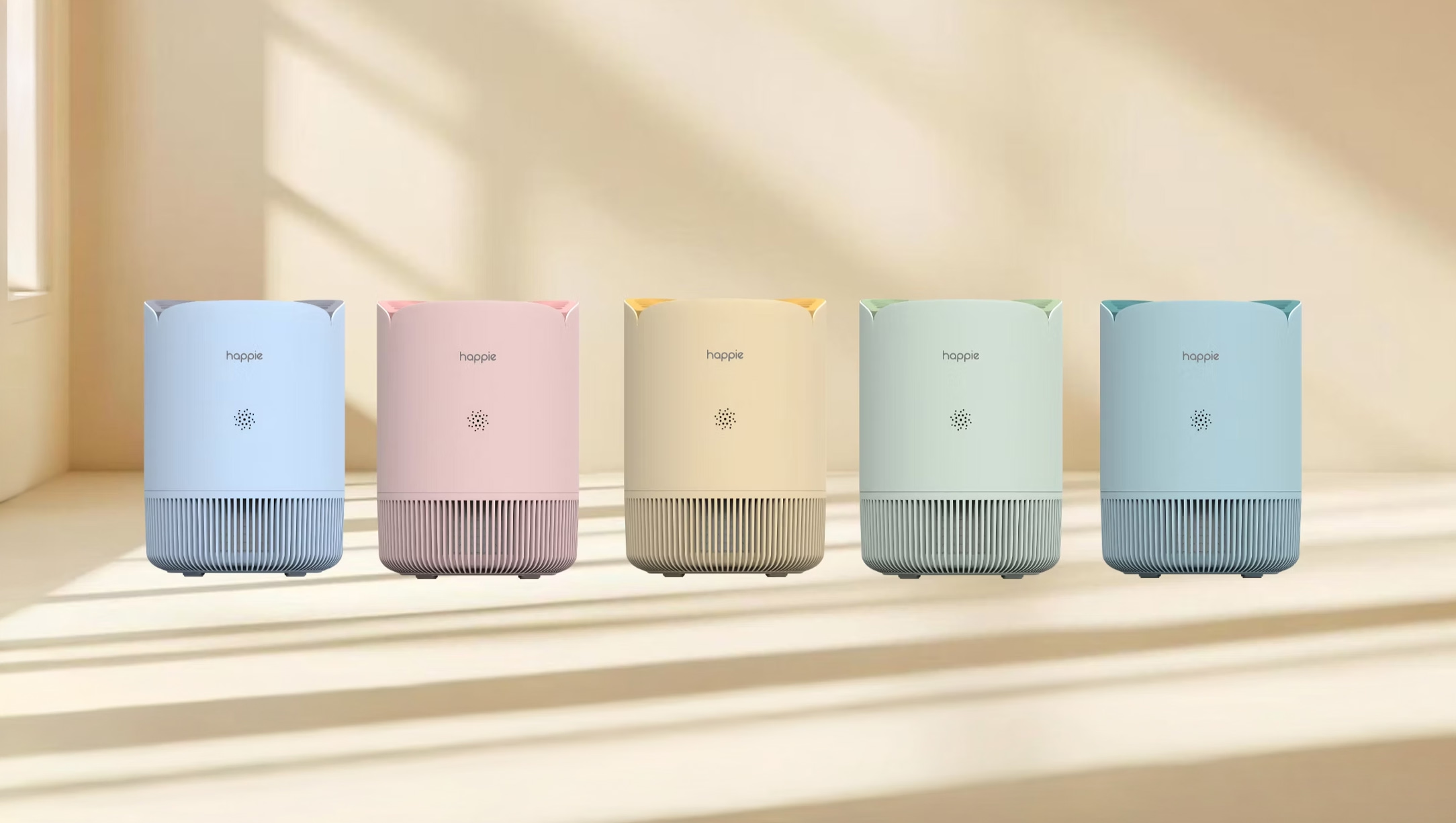
Available Colours
Pastel Pink
Pastel Blue
Pastel Yellow
Pastel Green
Icy Blue
Product Features
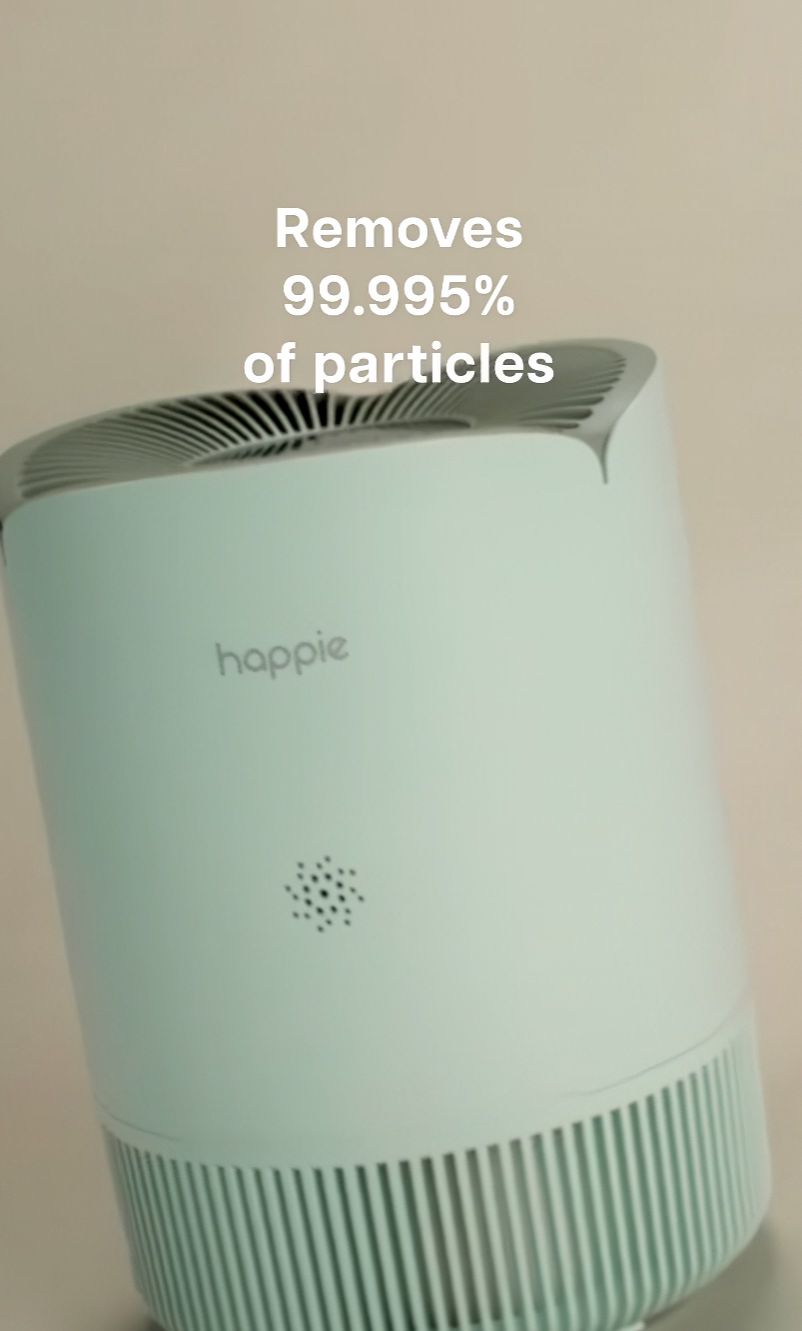
Our Hepa 14 Purifier effectively filters:
- Dust mites
- Pollen
- Smoke Particles
- Cigarettes & Cooking
- Bacteria and viruses
- Fine Dust, Smoke & Haze
- Mold Spores
- Fine Particles
- PM2.5 & PM0.3
- Pet Dander
It’s especially useful for new homes, during renovations, or with new furniture, as it helps remove formaldehyde and other indoor pollutants—keeping your home’s air clean, fresh, and healthy.
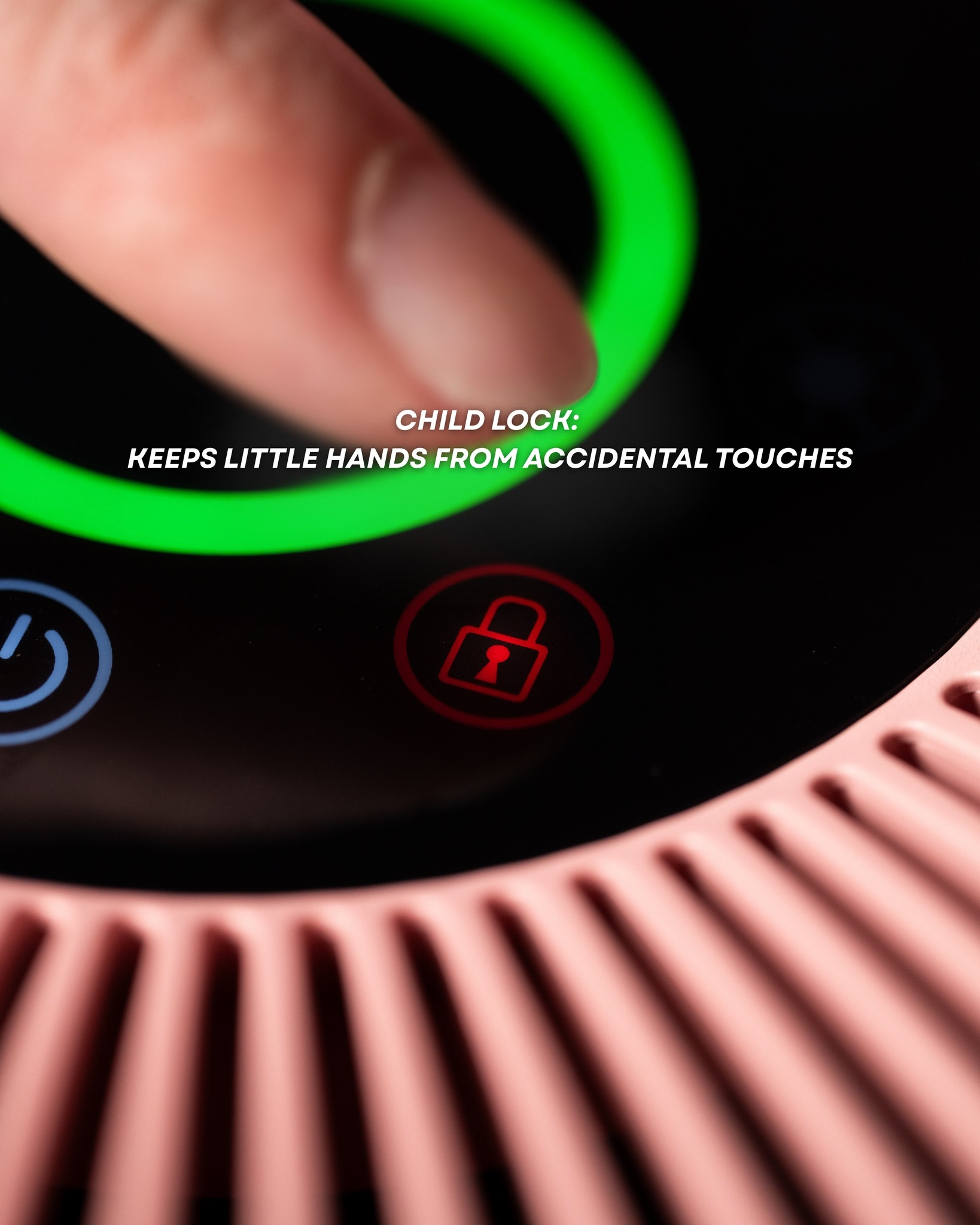
Touch Screen Control
- Fan Speed – Switch between levels to suit your comfort and room needs.
- Sleep Mode – Quiet operation for an undisturbed night’s rest.
- Filter Replacement Indicator – Stay notified when it’s time to change filters.
- Child Lock – Prevent accidental touches by little hands.
- Power On/Off – Effortless start and shut down.
- Auto Mode – Let the purifier adjust automatically based on real-time air quality.
- Timer – Set your preferred operating duration, from 2-4-8 hours.
- Light Off Option – Turn off display lights for a distraction-free environment.
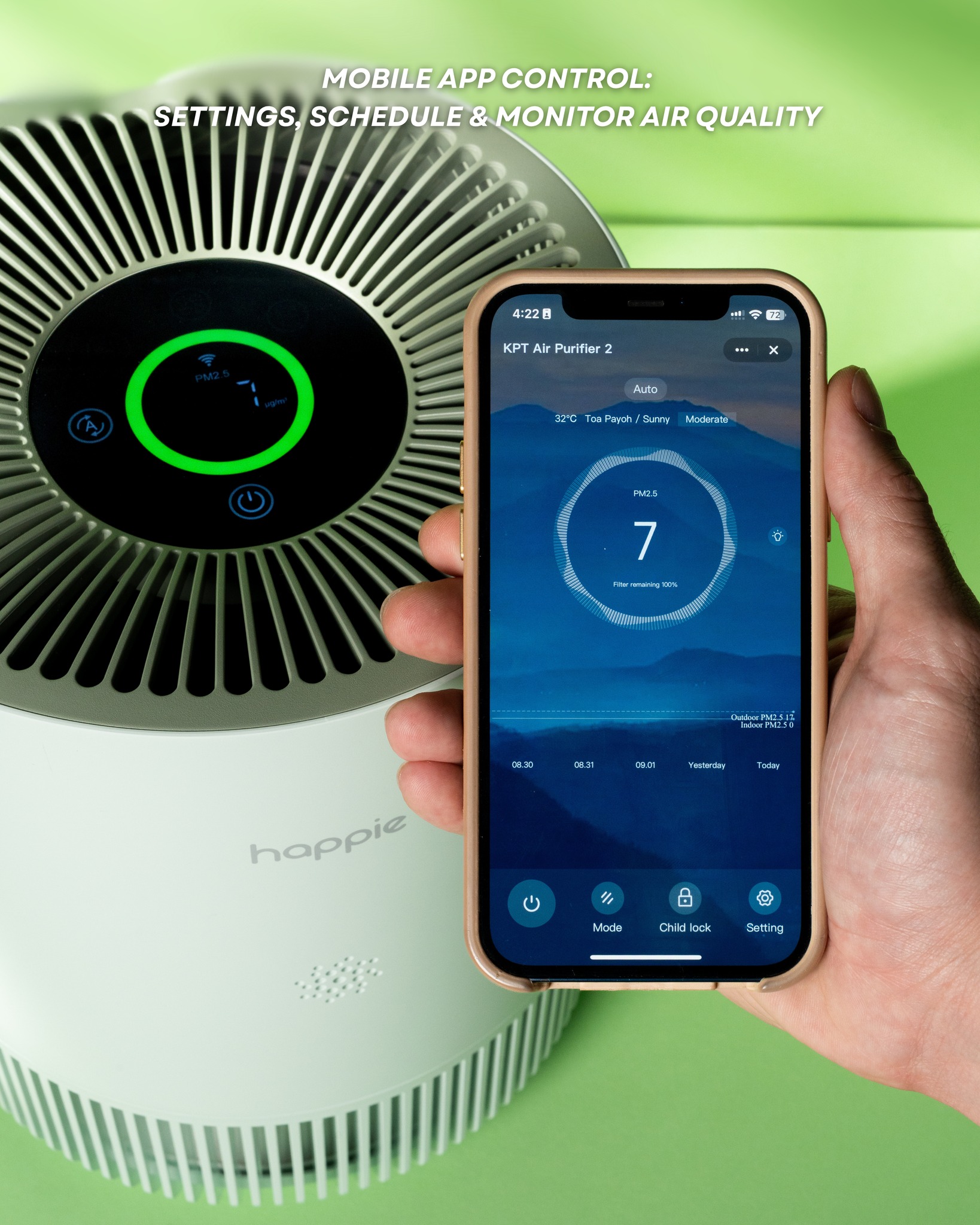
Mobile App Control
Stay in control no matter where you are. Adjust settings, monitor air quality, and schedule operations easily from your smartphone for ultimate convenience.
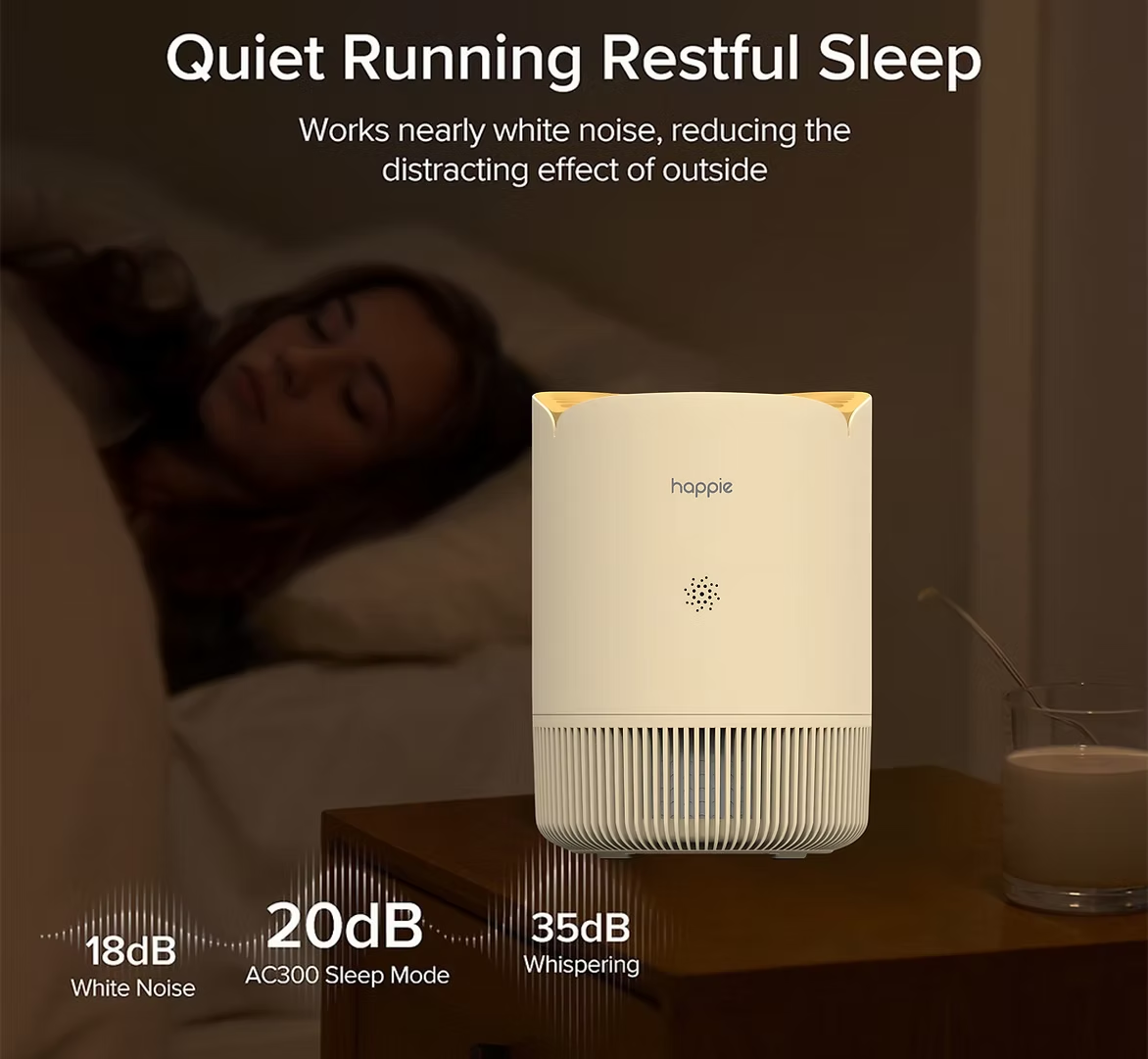
Sleep Mode
Energy-saving, quiet, and efficient— operates as low as 20 dB and no more than 53 dB. Perfect for bedrooms and a restful sleep environment.
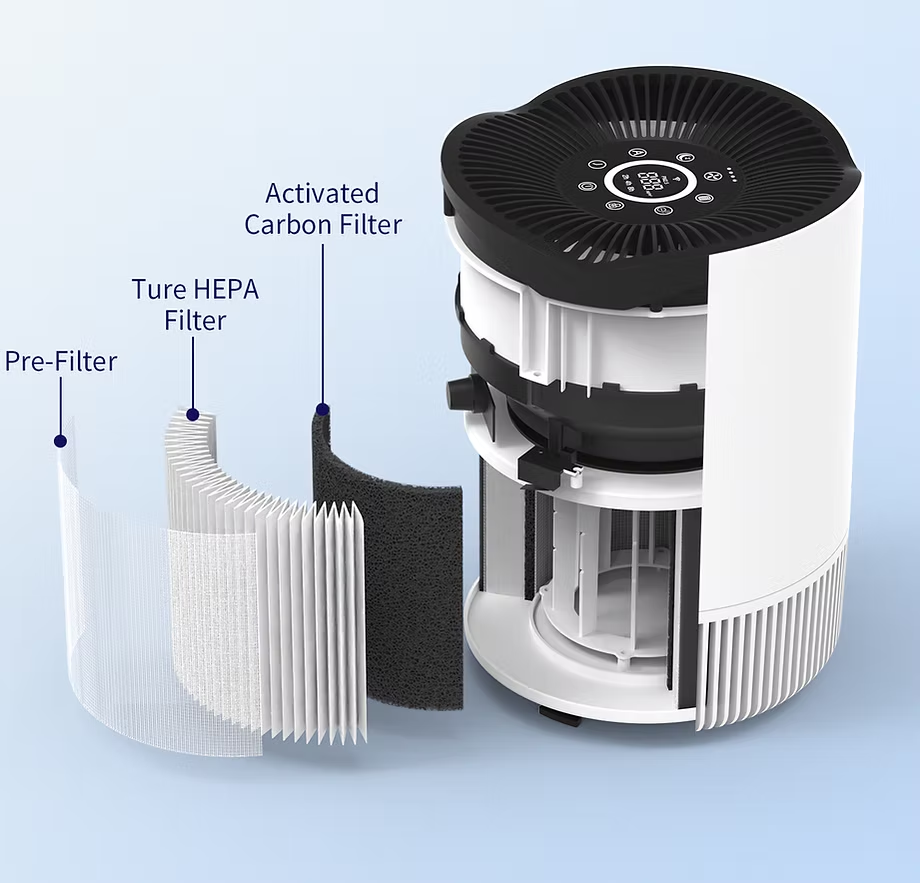
HEPA 14 Multi-layer Filtration
Our advanced HEPA 14 filtration system removes up to 99.995% of airborne particles, including dust, pollen, smoke, pet dander, and even fine PM0.3 pollutants, ensuring cleaner, healthier air for your home.
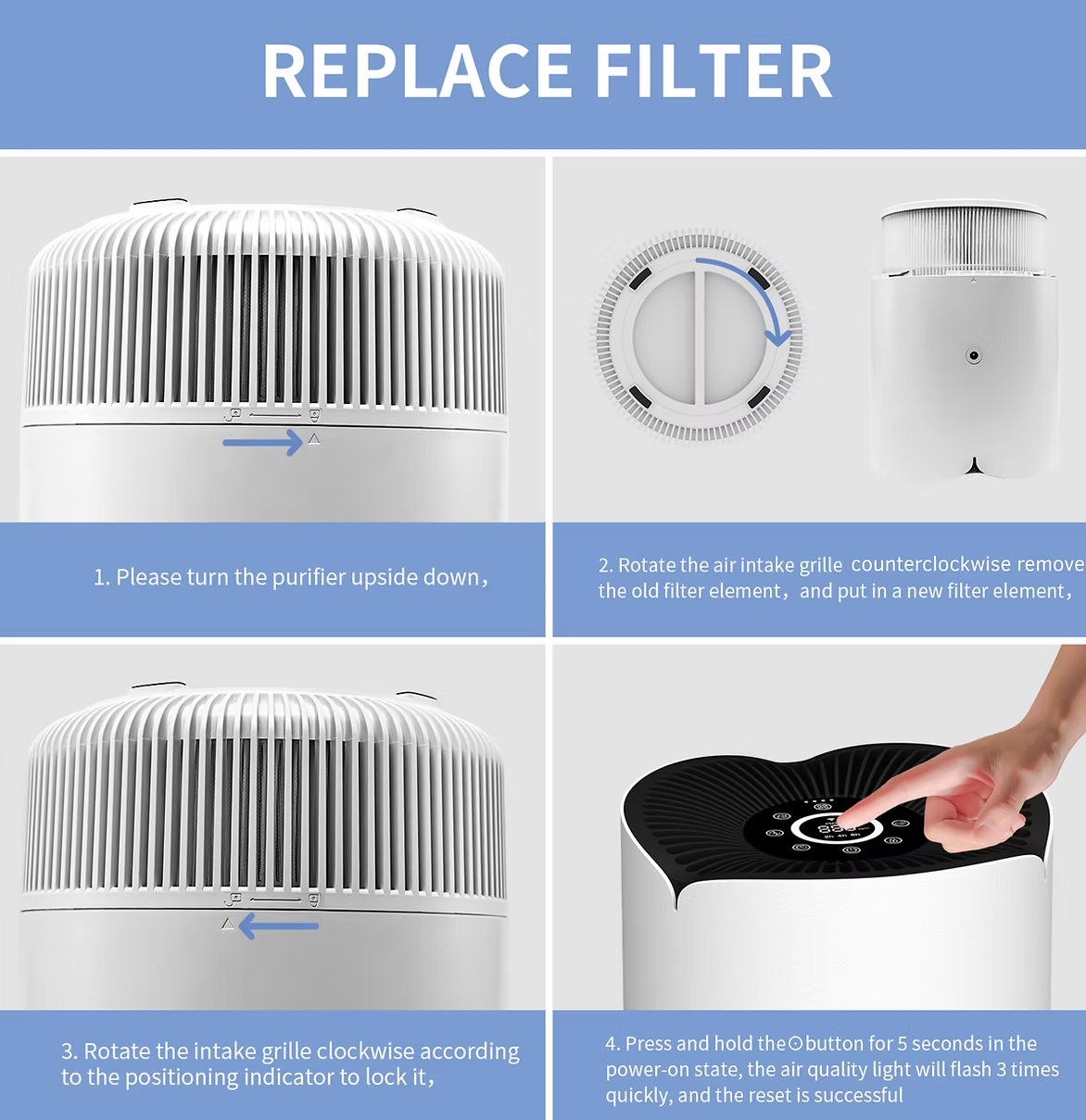
Easy Filter Replacement
Designed for hassle-free filter changes. The filter lifespan varies depending on your environment, and the built-in filter indicator will notify you when it’s time for a replacement.
Product Parameters
Product
Hepa 14 Air Purifier
Product Model
Aire
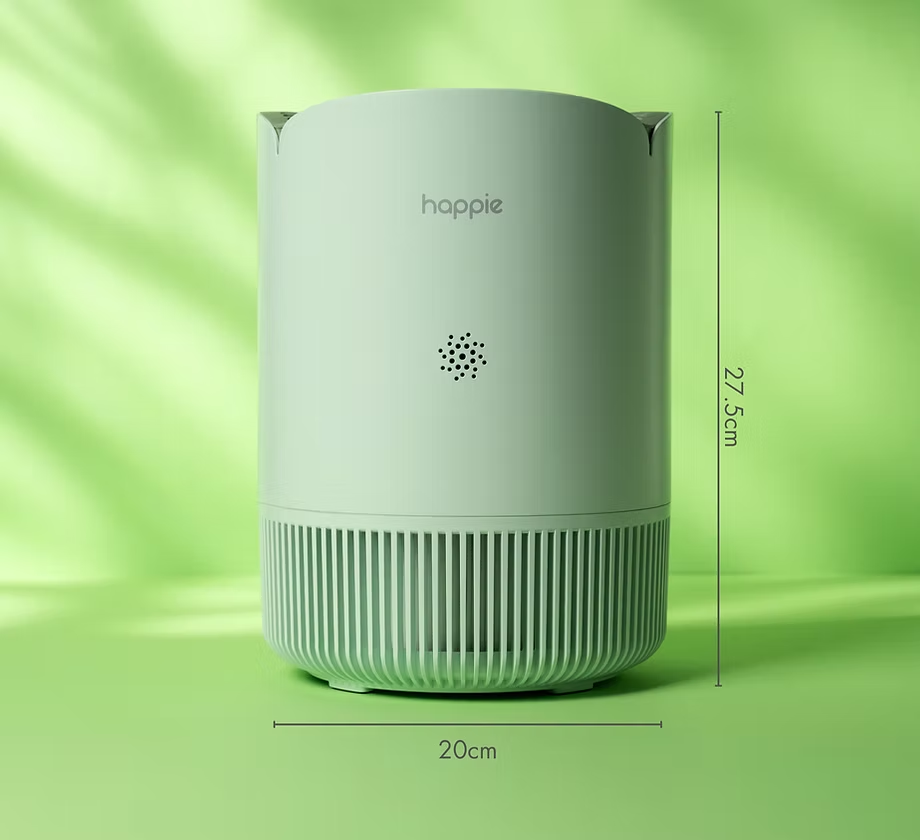
Product Size
Ø200×275mm
Particle purification efficiency
High
Product Net Weight
2.0kgs
Formaldehyde purification efficiency
High
Coverage Area
20m²
CADR Particles
180m³/h
Noise
≤53dB(A)
Rated Power
23W
Rated Voltage
DC24V
Calculated according to standard GB/T 18801-2015
Discover the Experience
Frequently Asked Questions
What is an air purifier and how does it work?
An air purifier is a device that removes pollutants, allergens, dust, and odors from indoor air. It works by pulling air through filters, such as HEPA or activated carbon, trapping harmful particles and releasing cleaner air.
Do air purifiers really improve indoor air quality?
Yes — air purifiers reduce dust, pollen, pet dander, smoke, and airborne bacteria, helping improve indoor air quality and creating a healthier home environment.
Can an air purifier help with allergies or asthma?
Air purifiers with HEPA filters can trap allergens like pollen, dust mites, and pet dander, which may help reduce allergy and asthma symptoms.
How often should I run an air purifier?
For best results, run it continuously or during times when pollution or allergens are high. Most devices are designed for 24/7 operation and energy-efficient use.
What types of air filters do air purifiers use?
Common types include:
- HEPA filters – capture fine particles like dust and pollen
- Activated carbon filters – remove odors, smoke, and VOCs
- UV-C or ionizers – target bacteria and viruses
How big of a room can an air purifier clean?
Air purifiers are rated by CADR (Clean Air Delivery Rate) and room size. Choose one that matches or slightly exceeds the square footage of your room for optimal air cleaning.
Do air purifiers remove smoke and odors?
Yes — units with activated carbon filters are effective at reducing smoke, cooking smells, and other household odors.
How often should I replace air purifier filters?
Filter replacement depends on the type and usage:
- HEPA filters: usually 6–12 months
- Carbon filters: 3–6 months
- Washable pre-filters: clean every 1–2 months
- Check your device manual for exact guidance.
Are air purifiers noisy?
Most modern air purifiers operate quietly, especially on low settings. Some come with sleep modes or low-noise operation suitable for bedrooms and offices.
Can air purifiers prevent viruses and bacteria?
Air purifiers can help reduce airborne bacteria and viruses, especially those with HEPA filters and UV-C technology. They are not a replacement for vaccines or medical care, but they improve overall indoor air hygiene.
Enquire with us today!