Indoor air has become a real concern for many homes. Dust, smoke, pollen, and germs move around without us seeing them. So it makes sense to look for a device that helps clear the air. Three common options stand out: HEPA vs Ionizer vs UV systems. Each works in a very different way, and each has its own strengths.
This guide helps you decide which air purifier in Singapore fits your needs best. Let’s start!
Why Do These Three Technologies Get Compared So Often?
Most people hear about these three because they offer simple ways to clean the air at home. Yet they do not work the same way. So it is fair to ask: which one should you trust, and when does each type make sense?
We will walk through how each method works, what it removes, and where it struggles.
What Is a HEPA Purifier and How Does It Work?
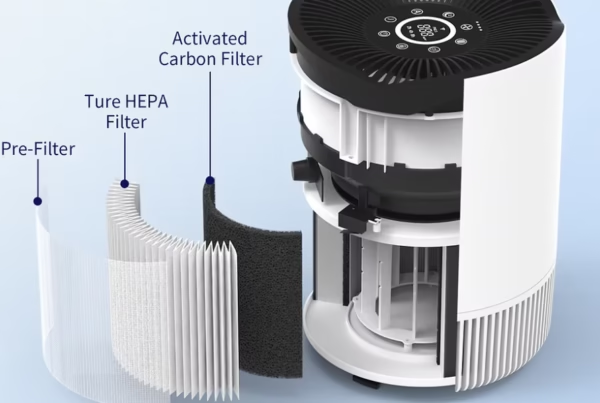
A HEPA air purifier pulls air through a very fine filter. This filter traps tiny particles that float around your room.
What does a HEPA filter remove?
A good HEPA filter catches:
- Dust
- Pollen
- Pet hair
- Mould spores
- Smoke particles
Most homes with allergies or pets benefit from this. In many tests, HEPA filters lead because the results are easy to measure.
What are the upsides?
- Strong at catching small particles
- Safe for daily use
- Little risk of side effects
- Works well in bedrooms and living rooms
What are the downsides?
- Does not kill germs
- Does not remove smells on its own
- Needs filter changes
Even so, many people choose HEPA because it works fast and does not add anything new to the air.
What Is an Ionizer and What Makes It Different?
An Ionizer sends out charged ions into the air. These ions stick to dust and other small particles. Once the particles gain this charge, they fall or stick to surfaces. Some ionizers include collection plates, while others rely on normal surfaces to catch the particles.
What does an Ionizer remove?
An Ionizer helps with:
- Dust
- Smoke particles
- Very tiny particles that filter sometimes miss
What are the upsides?
- No filter replacement
- Deals with ultra-fine particles
- Quiet operation
What are the downsides?
- Does not remove the particles; they settle on surfaces
- May create a small amount of ozone
- Not ideal for people with breathing issues
Ionizers can be useful in places where you want to reduce floating dust but do not need deep cleaning.
How Does UV Air Cleaning Work?
A UV air cleaner uses a UV-C light. When air passes by the light, germs lose their ability to grow.
What does UV remove?
UV targets:
- Bacteria
- Viruses
- Mould seeds
What are the upsides?
- Reduces germs
- Good for shared spaces
- Works silently
What are the downsides?
- Does not remove dust
- Needs slow airflow to work well
- Bulbs require replacement
UV is often used with another technology, not on its own.
Which Technology Is Better for Allergies?
Why does HEPA often win for allergy care?
Allergies start with particles like pollen and dust mites. HEPA filters trap these straight away. Because HEPA does not release anything into the room, it is safe for sensitive people.
Can Ionizers help?
They can lower floating particles, but they do not remove them from the room. Also, the small amount of ozone may not suit everyone.
Does UV help with allergies?
UV supports hygiene but does little to trap allergens. So, as a main tool, it falls short here.
Which One Works Best for Germ Control?
Is UV the top choice for germs?
UV light breaks down germs. This makes it one of the most trusted ways to reduce bacteria and viruses. Though it needs the right setup, it is strong at what it does.
Can HEPA help with germs?
HEPA can trap germs, but it does not kill them. This is still useful, as it removes germs from the air.
Where does an Ionizer stand?
Ionizers are not built for germ control. They may reduce particles, but not in a way that stops germ growth.
Which Option Handles Smoke and Odours Better?
How does HEPA perform?
HEPA is strong with smoke particles, but does not remove smells. You need an added carbon filter for that.
What about Ionizers?
Ionizers attach to smoke particles well. Yet they still let particles settle on surfaces.
Do UV systems help?
UV does not deal with smoke or odours.
HEPA vs Ionizer vs UV: Which One Has the Lowest Upkeep Cost?
| Feature | HEPA | Ionizer | UV |
| Removes particles | Yes | Yes (indirect) | No |
| Removes germs | No | No | Yes |
| Needs filter | Yes | No | No, but bulbs |
| Odour control | Only with carbon | No | No |
| Best use case | Allergies, dust, smoke | Ultra-fine particles | Germ control |
So, which is cheaper long term?
- HEPA: You must change filters.
- Ionizer: Almost no upkeep.
- UV: Bulbs need replacing.
Ionizers win in low cost, though not in broad performance.
Should You Combine More Than One Technology?
Many modern purifiers blend these methods. A HEPA filter with UV light is common. You get particle removal and germ control in one device.
A mix works well when:
- A family member has allergies
- Someone gets frequent colds
- You live in a city with heavy smoke
The combined method covers more problems at once.
Which One Should You Choose for Daily Home Use?
When to pick HEPA
- You have allergies
- You own pets
- Dust levels rise fast
- You want clear results
When to pick an Ionizer
- You want quiet use
- You want low upkeep
- You only need light particle control
When to pick UV
- You want better germ reduction
- You share your home with many people
- You need clean air in kitchens or clinics
Each has a place. The right pick depends on what matters most.
Final Words
You now understand the key differences across HEPA vs Ionizer vs UV systems. No single technology suits every home. HEPA works best for most people because it removes the widest range of harmful particles. Ionizers air purifiers help with ultra-fine matter but require careful use. UV shines where germ control matters most.
A purifier shapes the air you breathe each day, so choose the one that fits your home and routine.
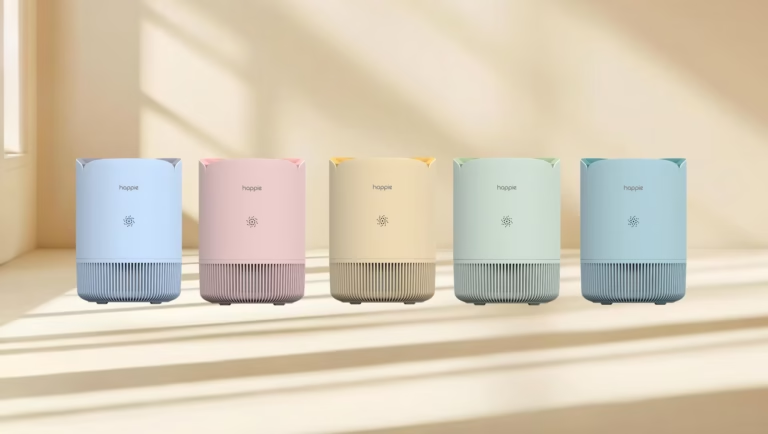
HAPPIE designs air solutions that blend smart features with simple use, making clean air easy for every home. With a focus on comfort and trust, HAPPIE aims to bring safer breathing to families everywhere.