
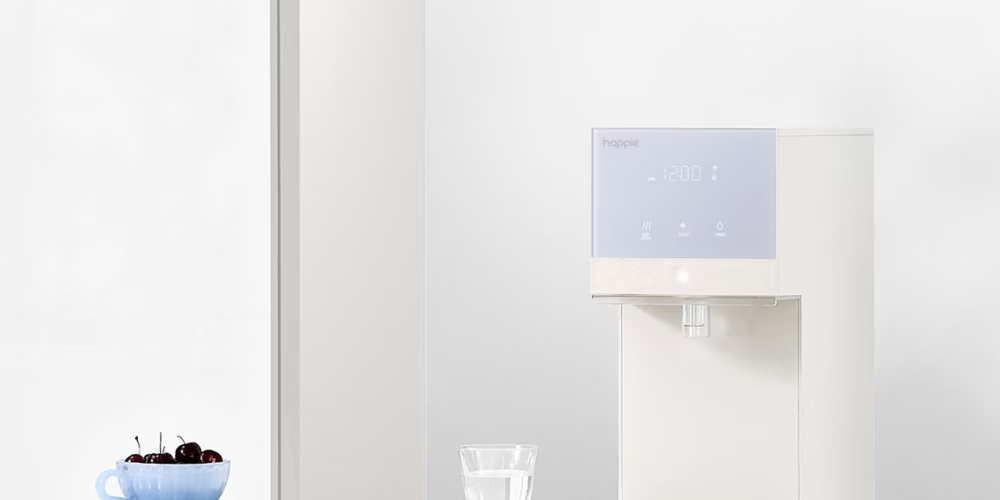
Clean drinking water is important for every home. More people now want a simple way to make their daily water safer and better tasting. A good water purifier in Singapore helps remove dirt, germs, and odd smells, giving you peace of mind each time you pour a glass.
This guide explains what to look for, how each type works, and how to pick the right fit for your kitchen. It also helps you avoid common mistakes and plan your budget with ease. With the right choice, you enjoy safe and clear water every day.
What Should You Consider Before Buying a Water Purifier in Singapore?
Before you buy anything, think about your needs. Not every home needs the same level of filtration. Some homes want basic dust and chlorine removal. Others wish for full protection from bacteria and heavy metals. Ask yourself these questions:
- How many people use water daily?
- Do you cook at home most days?
- Do you need hot or cold water instantly?
- Do you have space on your counter?
- What is your budget for installation and upkeep?
These simple questions help you avoid buying the wrong model or spending more than needed.
How Do Different Types of Water Purifiers Work?
(What Are the Different Types of Water Purifiers Available in Singapore?)
Purifiers come in a few common types. Each system solves a different problem. Here is a breakdown that keeps things easy:
RO (Reverse Osmosis) Systems
RO uses a thin membrane to remove salts, chemicals, and even tiny particles. It is the best choice for homes that want a high level of purity. RO water tastes clean and smooth. You will need a small tank to store filtered water.
UV (Ultraviolet) Systems
UV uses light to kill germs. It works fast and fits small kitchens. It does not remove chemicals, so many homes pair it with a sediment or carbon filter.
Carbon Filter Systems
These filters remove chlorine, odd smells, and strange tastes. They are low-cost and easy to maintain. Great for daily drinking water if you want a simple improvement.
Alkaline or Mineral Boost Systems
These add minerals back into the water. They improve taste and help the body stay hydrated. Some people like alkaline water because it feels lighter.
Tankless Instant Purifiers
These modern units give you clean water straight from the tap without a tank. They save space and look neat. They cost more but offer hot, warm, and cold water at once.
Which Features Matter Most When Buying a Water Purifier?
The number of features can feel overwhelming. Keep your focus on the ones that matter most:
1. Filtration Level
Look at how many stages of filtration the unit uses. More stages mean better water purity.
2. Flow Speed
If you have a large family, choose a purifier with a strong flow so that water does not slow down during busy hours.
3. Filter Lifespan
Check how often you need to replace filters. Long-lasting filters save time and money.
4. Power Use
Some systems use more electricity. A low-power unit helps you manage monthly bills.
5. Installation Space
Measure your kitchen space. Tankless units save space, while RO units need a tank.
6. Ease of Use
Touch panels and child-lock features are useful when many people share the kitchen.
Why Does Water Quality Matter for Your Home?
Water touches everything in daily life. You drink it, cook with it, make coffee, wash food, and even mix baby formula with it. Good water reduces health risks such as stomach issues, odd taste, and chemical exposure. It also protects your appliances. Kettles, coffee machines, and pots stay cleaner when water is filtered.
In many flats, tap water is safe to drink. But it may still contain traces of chlorine or sediments from old pipes. A purifier adds a final layer of safety and comfort. That is why many homes treat water purifiers in Singapore as an essential part of the kitchen.
What Size or Capacity Should You Choose?
Small Homes or Single Users
Choose a compact counter unit or a small RO system. You need less storage and can refill water fast.
Medium Families
A mid-size RO or UV-carbon system works well. Look for units that can support 8–10 litres per hour.
Large Families
Pick a strong RO system with a large tank or a tankless unit with fast output. You will avoid long waits during meals.
How Much Should You Expect to Spend?
Price depends on features, brand, and type of filter. A basic filter is cheap, while a full RO system or tankless hot-cold purifier costs more. Here is a simple guide:
- Entry level: Good for rented rooms and small kitchens
- Mid-range: Ideal for families who want clean and better-tasting water
- High-end: Great for homes that want comfort, instant hot water, and premium design
Remember to plan for filter changes. This is the main running cost. Choose a purifier with easy-to-find filters.
How Do You Maintain a Water Purifier?
Upkeep is simple. You only need to check filters and replace them on time. Wipe the unit weekly. Do not use harsh cleaners. For RO systems, check the tank once every few months to keep it fresh.
A well-kept purifier can last many years. Skipping maintenance makes water taste flat and can damage the system.
What Mistakes Should You Avoid?
People often pick a model based on looks alone. Here are key things to avoid:
1. Ignoring Water Needs
Do not pick an advanced model if your home only needs simple filtration. You will pay more for features you never use.
2. Forgetting Filter Cost
Low-cost units sometimes need frequent filter changes. That adds up.
3. Overlooking Space
Check if pipes and cabinets leave enough room for installation.
4. Buying From Unknown Sellers
Always choose proper support and warranty.
Should You Choose a Tank or Tankless Purifier?
Both options work well. The choice depends on lifestyle.
Tank Systems
- Provide steady water supply
- Work without power once full
- Fit most RO models
Tankless Systems
- Save space
- Look modern
- Provide hot and cold water instantly
Tankless units cost more but offer comfort and speed.
Does Filtered Water Really Taste Better?
Most people say yes. When chlorine, sediment, and impurities are removed, water tastes cleaner. Tea and coffee taste smoother. Even plain cooking becomes more pleasant. Many users of water purifiers in Singapore see the biggest change in the natural taste of water.
What Are the Best Tips for Choosing the Right Purifier?
Here is a quick list that helps you avoid confusion:
- Check your daily water use
- Choose a model that suits your space
- Look at the filter lifespan before buying
- Pick a trusted brand
- Compare after-sales support
- Think long-term instead of just looking at price
Is a Water Purifier Worth It in 2026?
(Is a Water Purifier Worth Buying in Singapore in 2026?)
Yes. More homes now see it as a daily need rather than a luxury item. As health awareness grows, clean drinking water has become a simple and smart investment. Modern purifiers also save time and replace bottled water. Over the years, this saves money and reduces waste.
Final Thoughts
If you prefer guidance, HAPPIE offers a range of reliable and easy-to-use systems that suit both small and large homes. The brand focuses on clean design, steady performance, and long-term value, making it a trusted choice for many households. Let their team help you pick a purifier that fits your space and daily habits.