
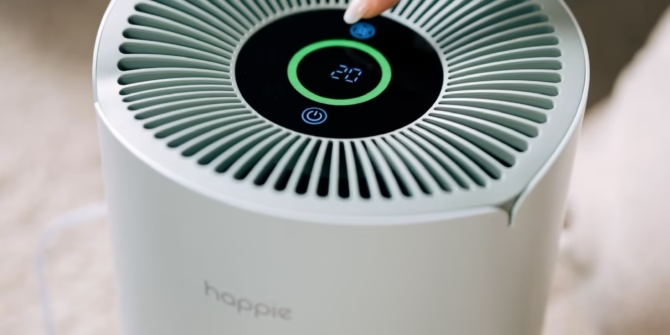
Energy-saving air purifiers help remove dust, haze, pet dander, and indoor pollutants that build up fast in homes and offices. Many people now look for devices that clean the air without driving up the power bill. This guide walks through the best ways to pick an air purifier in Singapore and highlights models and features that help you breathe easier each day.
Why Do You Need an Energy-Saving Air Purifier in Singapore?
Air quality shifts through the year. Haze season, traffic fumes and indoor chemicals can make the air feel heavy. Most people shut windows to block heat and noise, yet this traps pollutants inside. An Energy-saving air purifier helps clear the air while keeping power use in check. Singapore homes and offices run cooling systems for long hours, so a purifier that works with low energy demand can make a clear difference.
Key reasons include:
- Rising electricity bills across the island
- Small living spaces where air moves poorly
- Long hours spent indoors
- Children, pets and older adults who react fast to dust
A device that can clean the air while using less power gives peace of mind.
How Do Energy-Saving Air Purifiers Reduce Power Use?
Manufacturers use a few design choices to cut energy waste. When you look at different models, you will see features that help the device run longer without draining your wallet.
Core energy-saving methods
- Low-watt motors: These push air through filters with less strain.
- Optimised airflow paths: Smooth internal design needs less force to move air.
- Auto-sensing: Sensors adjust fan speed based on the room’s air quality.
- Efficient filters: HEPA and carbon layers capture more particles in one pass.
With these parts working together, an Energy-saving air purifier can often run all night with very little power use.
What Features Should You Look for When Buying One?
Not all purifiers suit Singapore’s climate. Before you choose, think about how and where you will use the device.
Key things to check
1. Room Size Rating
A small flat? A large office? Pick a model that can handle your room size. If a purifier is too weak, it works harder and wastes power.
2. Noise Level
Open-plan spaces and bedrooms need quiet operation. Look for units designed for silent night modes.
3. Filter Type and Cost
A purifier is only as good as its filter. Check:
- Filter lifespan
- Replacement cost
- Ease of access
4. Smart Controls
Some models offer timers, app control and air-quality displays. These make daily use simple and help reduce power waste.
5. Build and Shape
Slim tower designs fit small rooms. Larger units suit open living spaces or meeting rooms.
Which Energy-Saving Models Work Best for Homes in Singapore?
Below is a simple table to help compare common types of purifiers used in Singapore homes and offices. The table focuses on power use, room coverage and filter setup.
| Type | Typical Power Use | Room Coverage | Filter System | Best For |
| Compact HEPA Unit | Low | Small rooms | HEPA | Bedrooms, study rooms |
| Tower Purifier | Medium-Low | Medium rooms | HEPA + carbon | Living rooms |
| Large Office Unit | Medium | Large rooms | HEPA + pre-filter | Offices, clinics |
| Smart Purifier | Low with sensors | Varies | HEPA + carbon | Users who want automation |
What Makes an Air Purifier Suitable for Offices in Singapore?
Office spaces need stable and fresh air to keep people focused. Long hours indoors mean more carbon dioxide and more trapped dust. A purifier that runs all day should not consume too much power.
Office-friendly features
- Auto modes that change speed based on air quality
- High CADR ratings to clean air fast
- Low-watt motors for long-hour use
- Status panels so facility teams know when filters need a change
Open-plan offices also benefit from large coverage units that can handle wide spaces.
How Often Should You Replace Filters?
Good filters keep the purifier effective. If filters clog with dust, the motor works harder and uses more energy.
Filter care basics
- Check filters every 2–3 months
- Replace HEPA filters every 6–12 months
- Replace carbon filters based on smell and air quality
- Wipe the vents and outer casing often
Taking care of the filters extends the life of the purifier and keeps it efficient.
Can These Purifiers Help With Allergies and Haze?
Yes. Many users in Singapore buy purifiers during haze season. HEPA filters catch fine particles from smoke and traffic, giving relief to people with sinus issues. In offices, staff may notice fewer sneezes and less dryness after regular use of a purifier.
These devices also help reduce odours from cooking, pets and new furniture. This matters in flats where the kitchen is open to the living space.
How Do You Set Up a Purifier for the Best Results?
Placement matters. Many people put the device in a corner, but this blocks airflow.
Simple setup tips
- Place it where air flows freely
- Keep it away from curtains
- Do not place it right against the walls
- Let it run on auto mode during the day
- Use sleep mode at night for quiet and low energy use
With correct placement, you get a smoother clean-air cycle.
Are Energy-Saving Purifiers Worth the Investment?
Over time, yes. A quality purifier improves comfort and may help cut sick days in offices. At home, you breathe cleaner air while keeping monthly energy costs stable. The long-term benefit often outweighs the upfront cost.
Advantages you notice
- Lower noise
- Better air quality
- Lower monthly power use
- Less airborne dust on surfaces
- More comfort during the haze season
If you pick a model with a strong build and long filter life, you will save more over the years.
How Do You Choose the Right Model for Your Space?
Here is a quick guide to help match your needs with the right purifier:
For homes
- Small rooms → compact units
- Large living areas → tower purifiers
- Homes with pets → HEPA + carbon filters
For offices
- Open-plan areas → large high-CADR units
- Meeting rooms → quiet tower models
- Shared desks → purifiers with auto-sensing
Think about how long you plan to run the device each day. Longer runtimes favour models with proven energy efficiency.
Final Thoughts
Singapore’s warm climate and dense city life make clean indoor air a daily need. An Energy-saving air purifier helps you maintain fresh air without raising energy bills. You gain comfort, fewer odours and smoother airflow in both homes and offices. With the right setup, care and choice of model, you can enjoy cleaner air every day while keeping costs under control.
If you want trusted solutions, Happie offers well-built purifiers designed for long-hour use in both homes and offices. Their focus on smart filtration and low energy demand makes them a strong pick for modern spaces. With Happie, you get clean air with simple, steady performance.